Welcome. If you’re here, you’re likely feeling the weight of modern life—maybe in your joints, in your energy levels, or in the quiet hum of worry that never seems to shut off. You’re not alone, and more importantly, you’re not broken.
True wellness isn’t about perfection. It’s not about rigid diets, punishing exercise routines, or pretending stress doesn’t exist. It’s about small, intentional choices that add up over time. It’s about understanding that your body is a connected system—and when you support one part, you support the whole.
This site is your weekly companion on that journey. No hype. No quick fixes. Just honest, evidence-informed guidance on the three pillars that affect nearly every aspect of our daily lives:
- Blood sugar stability – the hidden driver of your mood and energy
- Joint health and mobility – the foundation of an active, independent life
- Anxiety and mental clarity – the key to enjoying the life you’ve built
Let’s explore each one—and more importantly, what you can do about them, starting today.
1. The Blood Sugar Rollercoaster (And How to Get Off)
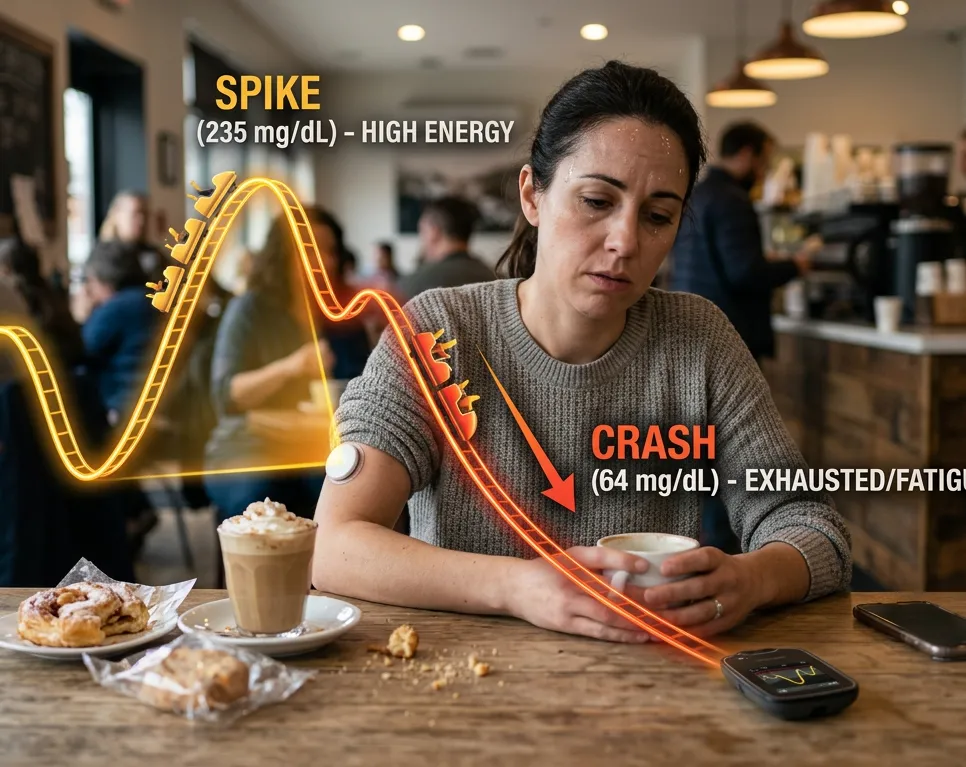
You probably don’t have diabetes, but you might still be riding the blood sugar rollercoaster. The 3 PM slump. The mid-afternoon cravings. The irritability that lifts as soon as you eat something sweet. That’s not a character flaw—that’s biology.
When your blood sugar spikes and crashes, it affects everything: your energy, your focus, your mood, and even your sleep quality. Over time, these fluctuations can increase inflammation throughout your body, making joint pain worse and feeding anxious thoughts.
Simple Solutions That Actually Work
You don’t need to cut out all carbs or follow a complicated meal plan. Here are three shifts that make a real difference:
-
Start your day with protein, not sugar. A breakfast of eggs, Greek yogurt, or a protein smoothie keeps your blood sugar steady for hours. Save the oatmeal or toast for after you’ve had some protein first.
-
Eat your vegetables before your carbs. This simple ordering trick—fibre first, protein second, carbs last—slows down glucose absorption dramatically. Try it at lunch and dinner and notice the difference in your afternoon energy.
-
Move for two minutes after meals. A short walk, a few squats, or even just standing and marching in place helps your muscles use up circulating glucose. It’s free, easy, and instantly effective.
Want to dive deeper? Read our article on Blood Sugar Swings →
2. Joint Pain: Why Stiffness Isn’t “Just Age”
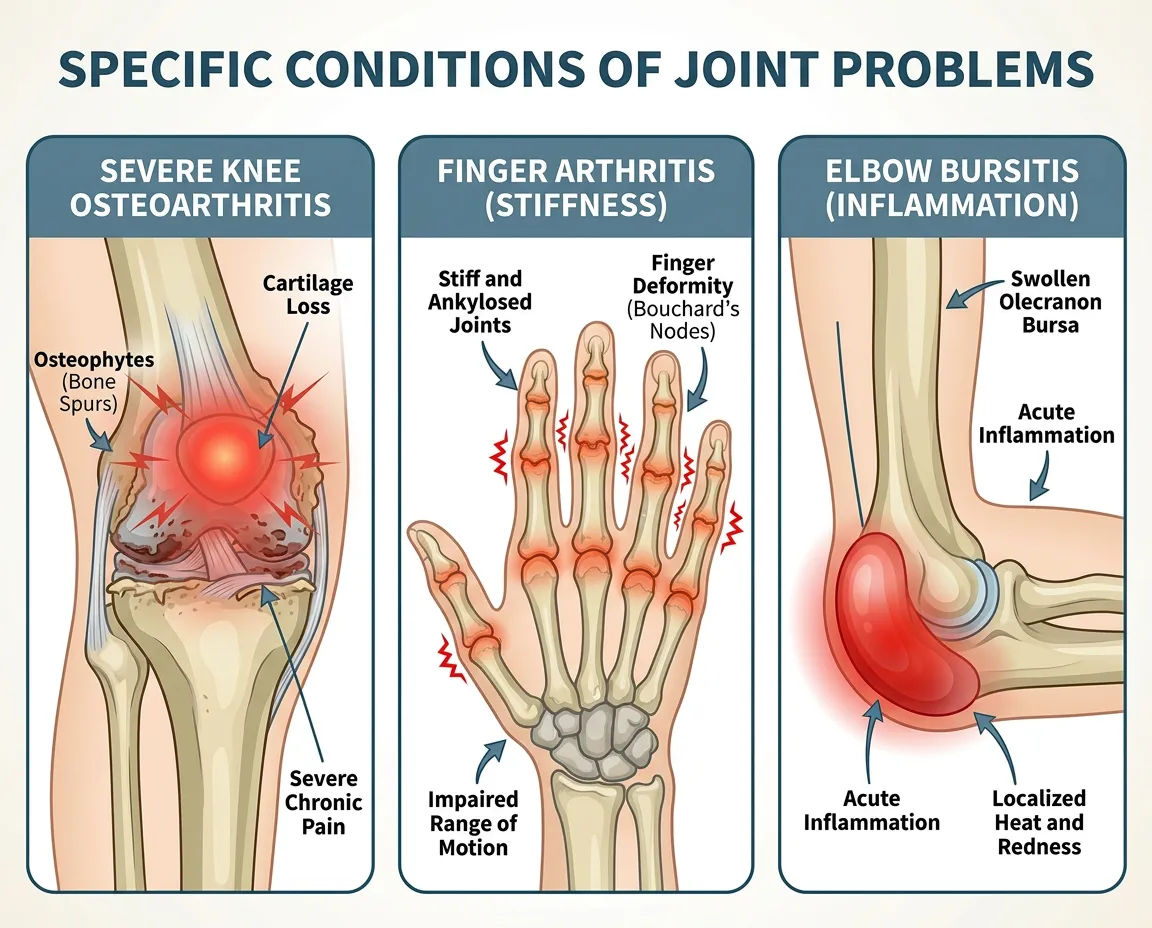
If you’re over 30 and you’ve ever groaned getting out of a chair, you’ve experienced the reality that joint health isn’t a given. But joint pain isn’t inevitable, and it’s certainly not just “wear and tear.”
The latest research shows that joint discomfort is often driven by chronic, low-grade inflammation—the same inflammation that affects blood sugar and even brain health. The good news? The things that help your joints often help your blood sugar and your mood too.
Three Ways to Support Your Joints Today
-
Hydration isn’t just for your skin. Your joint cartilage is about 80% water. Mild dehydration makes joints stiffer and more painful. Aim for 6-8 glasses of water daily—and more if you sweat or drink caffeine.
-
Move often, not just hard. Contrary to old advice, rest isn’t always best. Gentle, regular movement—walking, stretching, swimming—lubricates your joints and reduces stiffness. The key is consistency, not intensity.
-
Add anti-inflammatory foods. Omega-3s from fish or flaxseed, colourful vegetables, and spices like turmeric and ginger have real, measurable effects on joint comfort. They’re not magic pills, but they’re powerful allies.
Explore more: Learn more about Exercises for Stiff Knees →
3. Anxiety: The Mind-Body Connection You Can’t Ignore

Anxiety isn’t just “all in your head.” It’s a whole-body experience. Racing thoughts often come with tight shoulders, shallow breathing, a churning stomach, and even fluctuating blood sugar. The physical and mental are deeply entangled.
What many people don’t realise is that anxiety and inflammation are linked. When your body is in a state of chronic stress or metabolic imbalance, your brain feels it. Conversely, calming your nervous system can directly improve physical symptoms.
Practical Tools That Don’t Require Meditation (Unless You Want It)
-
Breathe like a box. Inhale for 4 seconds, hold for 4, exhale for 4, hold for 4. Repeat three times. This simple exercise activates your parasympathetic nervous system and can stop an anxiety spiral in its tracks. Do it anytime, anywhere.
-
Check your blood sugar. Low blood sugar mimics anxiety—the shakiness, the worry, the irritability. If you feel a wave of anxiety hit, ask yourself: “When did I last eat?” A small snack with protein and fat can sometimes be more calming than any breathing exercise.
-
Journal for five minutes. Getting your racing thoughts onto paper literally reduces the cognitive load on your brain. It’s not about being profound—it’s about being honest. Try it before bed to quieten the “what ifs.”
Learn more: Guide on Anxiety Control →
4. The Bigger Picture: Everything Connects
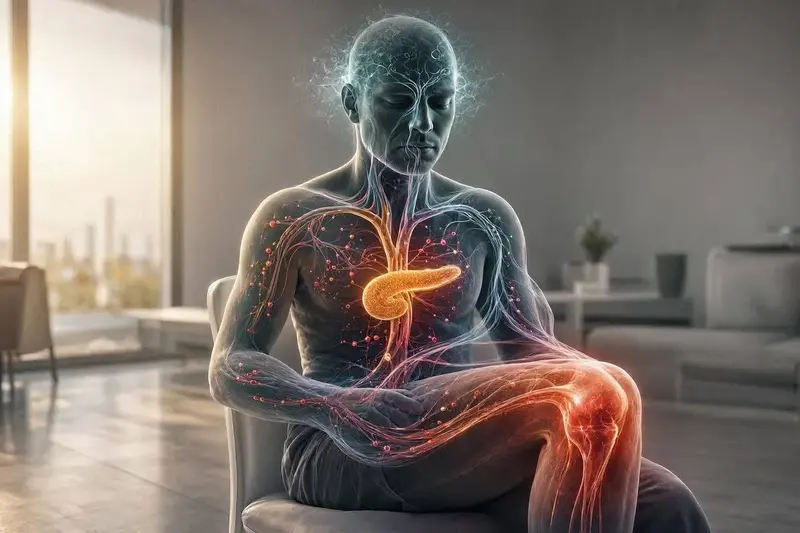
Here’s the truth that most health advice misses: blood sugar, joint pain, and anxiety are not separate problems. They’re different expressions of the same underlying imbalances—stress, inflammation, and lifestyle habits that have drifted away from what our bodies evolved to need.
When you stabilise your blood sugar, you reduce inflammation. When you reduce inflammation, your joints feel better and your brain chemistry stabilises. When your brain feels calmer, you make better choices about food, movement, and sleep.
It’s not about doing everything perfectly. It’s about finding the small, sustainable changes that work for your body, your schedule, and your life.
Over the coming weeks, we’ll cover:
- The best supplements for joint support (and which ones are a waste of money)
- How to interpret your blood sugar readings without panicking
- Simple morning and evening routines that reduce anxiety naturally
- Real-food recipes that support all three pillars simultaneously
- And much more
5. A Note on Affiliate Products (Full Transparency)
Only what works. I won’t recommend anything I don’t trust—period. My goal is to save you time, money, and frustration by pointing you toward what actually works, based on evidence and real-world experience.
6. Let’s Start This Journey Together
You don’t need to overhaul your life today. In fact, please don’t. Overwhelming change is the enemy of lasting habit.
Instead, pick one thing from this article—just one—and try it for a week. Maybe it’s the protein breakfast. Maybe it’s the two-minute post-meal walk. Maybe it’s the box breathing exercise.
Notice how you feel. Not with judgment, but with curiosity. And when you’re ready, come back and read the next article.
Because wellness isn’t a destination. It’s a daily practice. And you’ve already taken the most important step: you’re here, you’re reading, and you’re willing to try.
Welcome to the journey. I’m glad you’re here.
Recent Articles
- Low Glycemic Breakfast Foods Sep 27, 2026
- Foods That Help Cartilage Repair Sep 25, 2026
- How to Improve Joint Mobility Naturally Sep 18, 2026
- How to Deal With Someone With Anxiety in a Relationship Sep 15, 2026
- Deep Breathing for Anxiety Relief: A Simple Daily Practice That Works Sep 15, 2026
© Life Well Balanced All rights reserved ... · About · Privacy · Disclaimer