Deep Breathing for Anxiety Relief: A Simple Daily Practice That Works
Deep Breathing for Anxiety Relief: A Simple Daily Practice That Works
Feeling anxious can make your chest tight, your thoughts race, and your body tense. When anxiety hits, it’s easy to feel stuck. But one of the simplest tools for calming your mind is already with you — your breath.
Deep breathing for anxiety relief is a gentle, natural way to slow your heart rate, relax your muscles, and bring your focus back to the present moment.

If you’re exploring emotional balance, you may also find helpful guidance in the Mental & Emotional Wellness Pillar.
This article explains how deep breathing works, why it helps, and how you can use it every day to feel more grounded and in control.
How Deep Breathing Helps Calm Anxiety
Deep breathing changes how your body reacts to stress. When you breathe slowly and deeply, you activate the body’s “rest and relax” system. This lowers your heart rate and helps your muscles loosen.
Many people notice that their thoughts become clearer after just a few slow breaths. This happens because deep breathing increases oxygen flow and signals your brain that you are safe.
You don’t need special tools or training. You only need a few minutes and a quiet moment.
For more techniques that calm the nervous system, see Nervous System Regulation Techniques.
Breathing Exercises to Relieve Anxiety
Breathing exercises to relieve anxiety are simple routines you can use anytime. They help you shift your attention away from stress and toward your body.
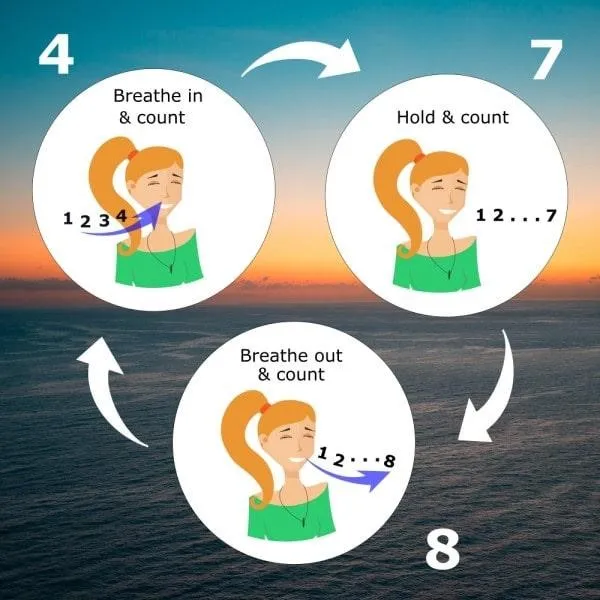
1. The 4‑4‑6 Method
This exercise is easy and works well during sudden stress.
- Breathe in for 4 seconds
- Hold for 4 seconds
- Exhale slowly for 6 seconds
The long exhale helps your body release tension.
2. Belly Breathing
- Place one hand on your belly
- Breathe in through your nose and feel your belly rise
- Exhale through your mouth and feel your belly fall
This exercise helps you breathe from your diaphragm, which is the most calming way to breathe.
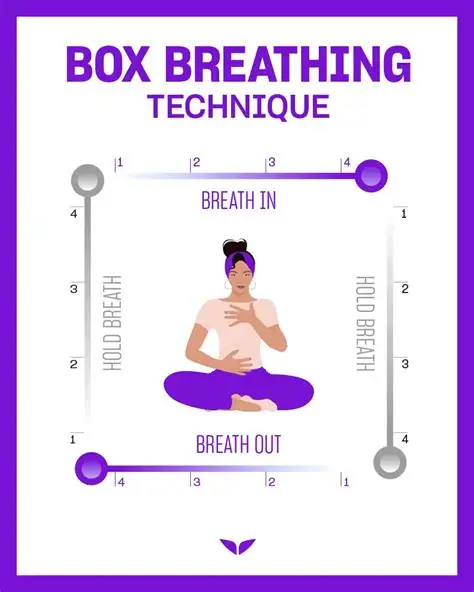
3. Box Breathing
This method is great when your mind feels scattered.
- Inhale for 4 seconds
- Hold for 4 seconds
- Exhale for 4 seconds
- Hold again for 4 seconds
Repeat for one to two minutes.
If anxiety feels overwhelming, explore How to Reduce Anxiety and Panic Attacks Naturally.
Deep Breathing to Relieve Anxiety in Daily Life
Deep breathing to relieve anxiety works best when you use it regularly. You can add it to your morning routine, your commute, or your bedtime wind‑down.
Here are simple ways to make it part of your day:
Use it during stressful moments
Pause and take three slow breaths to reset your thoughts.
Pair breathing with movement
Stretch your arms or roll your shoulders while breathing slowly.
Practice before sleep
A few minutes of slow breathing can make it easier to fall asleep.
Try breathing breaks
Set reminders for two or three breathing breaks during the day.
For more natural anxiety‑relief habits, see Ways to Reduce Anxiety Naturally.
For joint‑friendly nutrition that supports inflammation and overall calm, explore the Foods That Help Inflamed Joints
For gentle foods that support nighttime recovery, see the Complete Anti‑Inflammatory Diet for Beginners
Final Thoughts
Deep breathing for anxiety relief is a simple, powerful tool you can use anytime. It helps calm your body, clear your mind, and bring you back to the present moment. With regular practice, breathing exercises to relieve anxiety can become a steady source of comfort and balance in your daily life.
Take a few slow breaths now. Notice how your body feels. This small step can be the start of a calmer, more centered you.
For more guidance on anxiety, mood, and emotional balance, explore the Mental & Emotional Wellness Pillar.
Medical Disclaimer: This article is for informational purposes only and is not a substitute for professional medical advice.