Vitamins That Raise Blood Sugar

Vitamins That Raise Blood Sugar
Many people try to manage their blood sugar through diet and supplements. This leads to a common question: are there vitamins that raise blood sugar? The answer is more nuanced than most expect. Some vitamins may influence blood sugar levels indirectly, while others help support healthy glucose balance.
Understanding how these vitamins work can help you make safer, more informed choices.
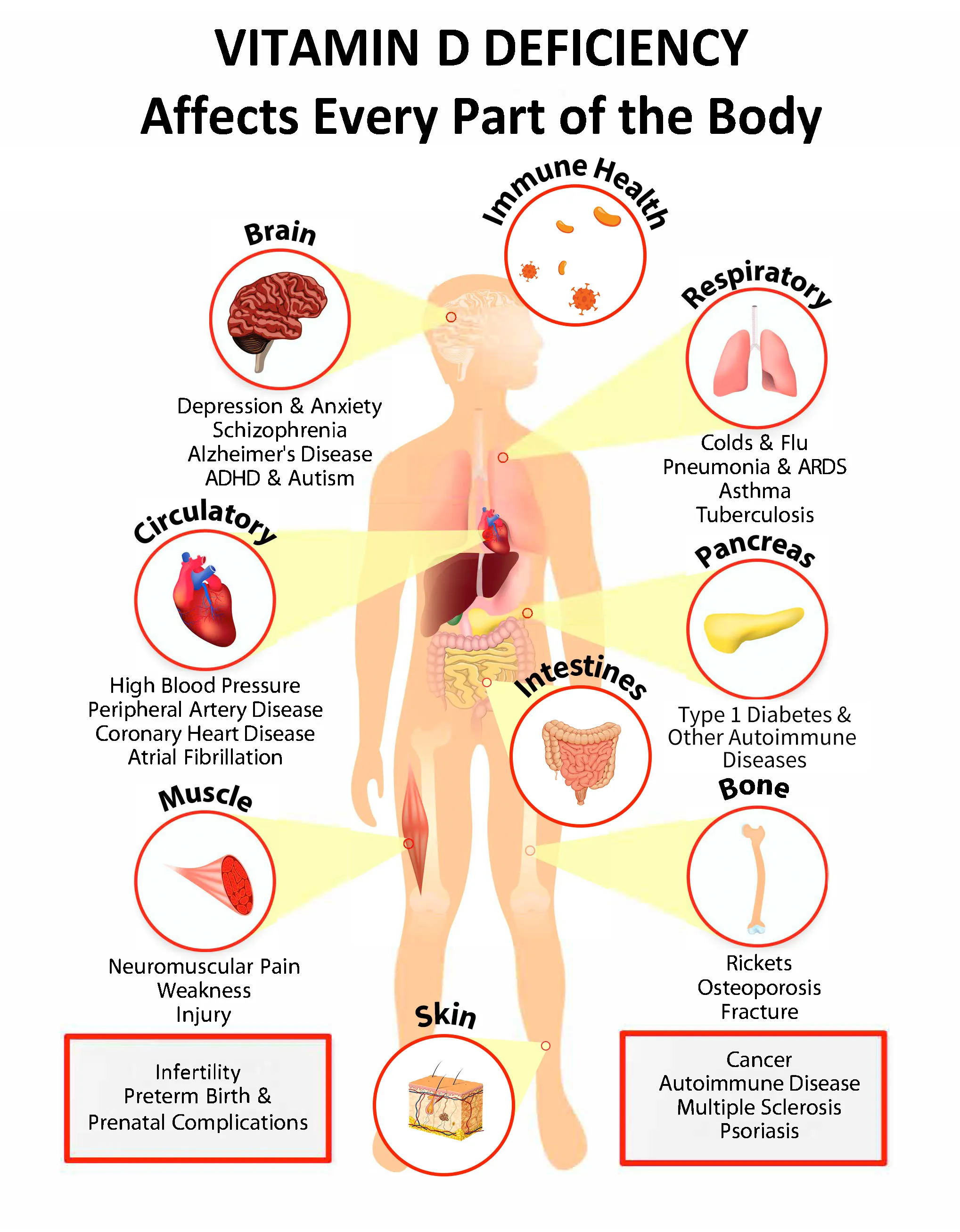
🌞 Low Vitamin D and Blood Sugar: Why It Matters
Research shows a clear link between low vitamin D and blood sugar. When vitamin D levels drop, the body may struggle to use insulin well. Insulin helps move sugar from the blood into the cells. When insulin doesn’t work properly, blood sugar rises.
Low vitamin D may also increase inflammation. Inflammation can make blood sugar harder to control.
Many people don’t get enough vitamin D, especially during winter or if they spend little time outdoors.
Foods like salmon, eggs, and fortified milk can help raise vitamin D levels. Sunlight also supports natural vitamin D production.
For more guidance on glucose fluctuations, see Blood Sugar Swings.
🍊 Do Any Vitamins Raise Blood Sugar?

Most vitamins do not directly raise blood sugar. However, certain supplements may affect blood sugar in indirect ways.
- High‑dose vitamin C can interfere with some home glucose meters.
- B‑vitamins, especially B3 (niacin), may raise blood sugar in some people when taken in large doses.
These effects are usually mild. Still, it’s important to talk with a healthcare professional before taking high‑dose supplements.
If you’re exploring how vitamins affect inflammation and metabolism, see Anti‑Inflammatory Breakfast Ideas.
🌿 Vitamin K2 Lowers Blood Sugar: A Helpful Contrast
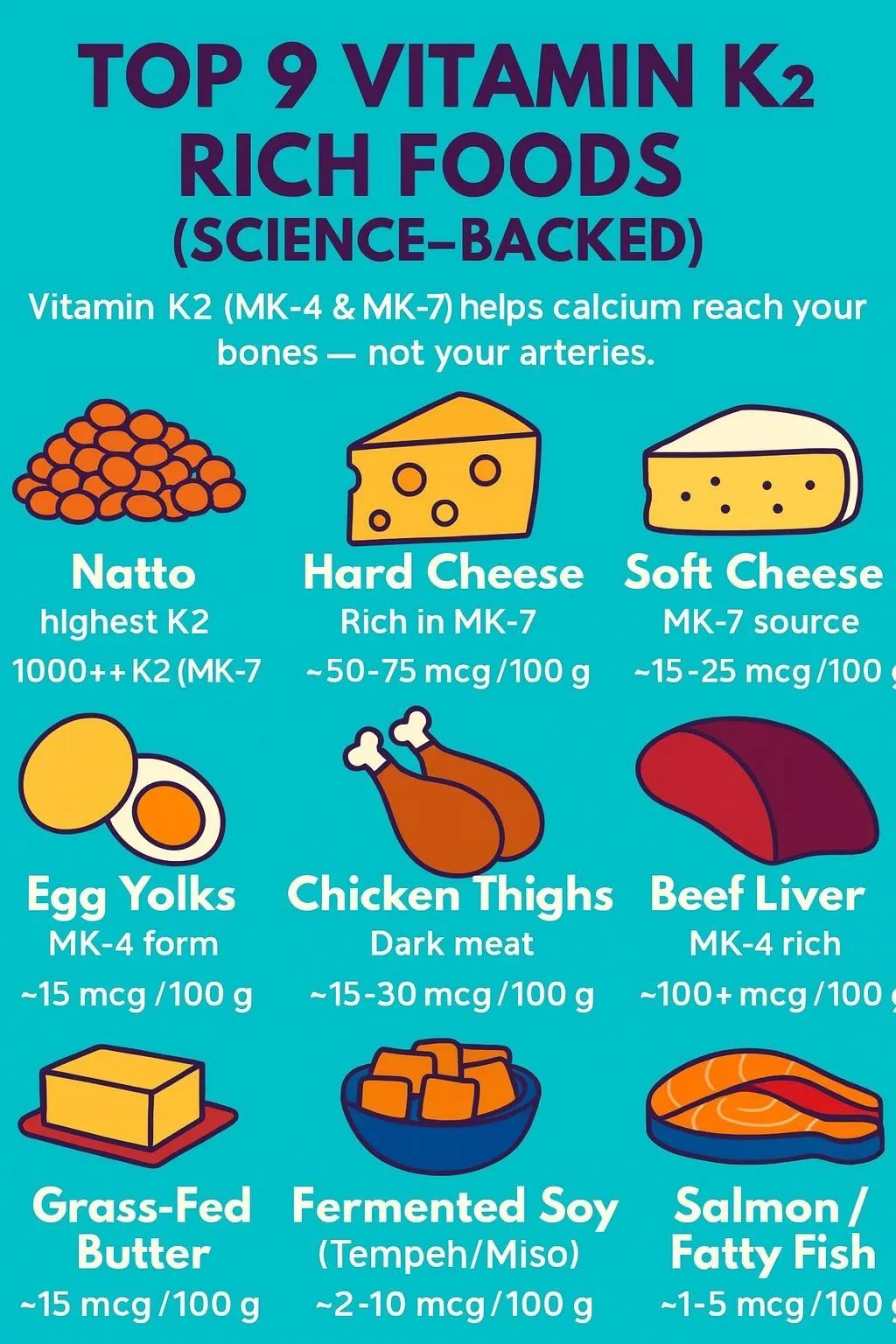
While some vitamins may influence blood sugar, others help support healthy levels. One example is vitamin K2.
Vitamin K2 helps move calcium into the bones and out of the blood vessels. This may improve insulin sensitivity. Better insulin sensitivity means your body can manage blood sugar more effectively.
Some studies suggest vitamin K2 may help reduce fasting blood sugar over time.
You can find vitamin K2 in foods like natto, hard cheeses, and egg yolks.
If inflammation affects your joints or blood sugar, explore Foods That Help Inflamed Joints.
🌼 Conclusion
So, are there vitamins that raise blood sugar? Only a few may have mild effects, and usually only at high doses. Low vitamin D can make blood sugar harder to control, while vitamin K2 may help support healthier levels.
Choosing whole foods, balanced meals, and safe supplement doses can help you maintain steady blood sugar. When in doubt, check with a healthcare professional before starting new vitamins.
For more guidance on metabolic balance and inflammation, explore the Physical Wellness Pillar.
Medical Disclaimer: This article is for informational purposes only and is not a substitute for professional medical advice.