Anxiety and Low Magnesium: Simple Signs, Causes, and Nighttime Support
Anxiety and Low Magnesium
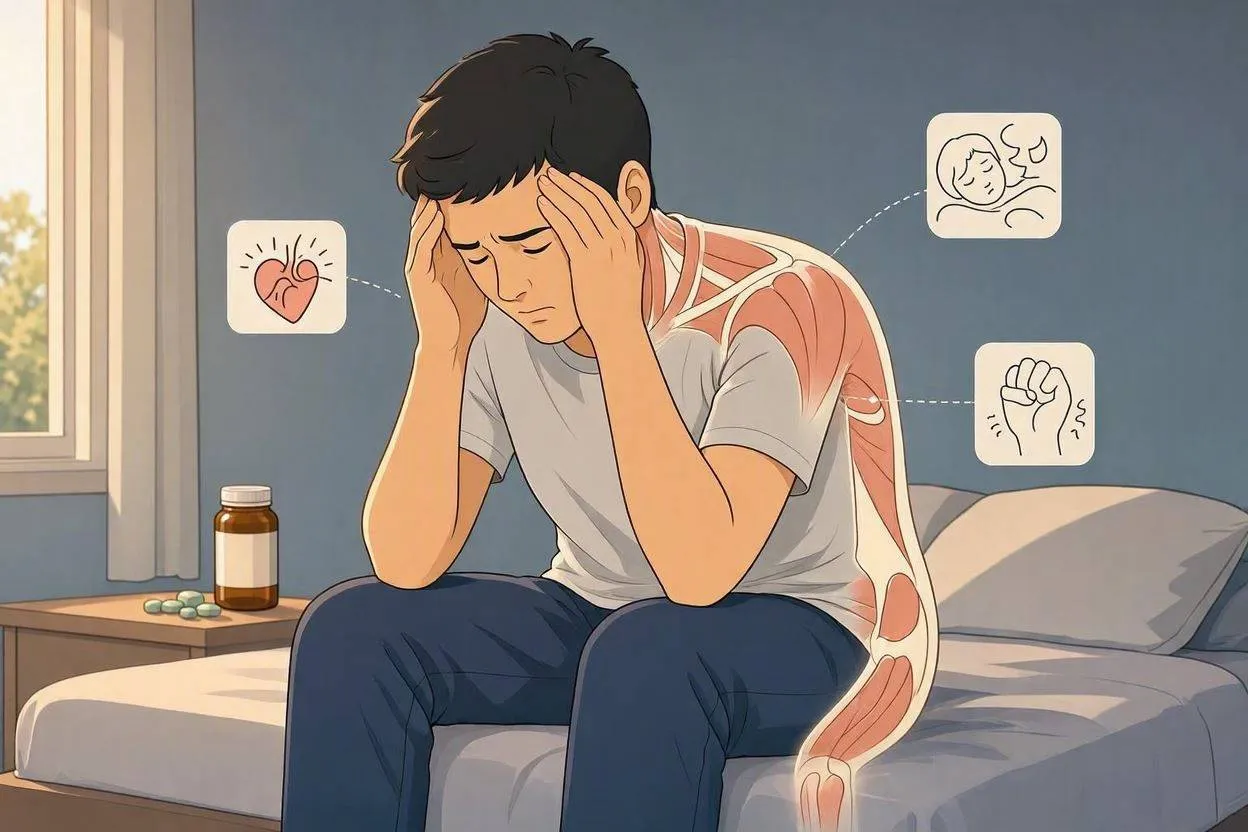
Many people feel anxious without knowing why. One surprising cause can be anxiety and low magnesium. Magnesium is a mineral that helps calm the nervous system, relax muscles, and support steady mood. When levels drop too low, the body can feel tense, overwhelmed, and easily stressed. Understanding this connection can help you take simple steps toward feeling better.
If you’re exploring emotional balance, you may also find helpful guidance in the Mental & Emotional Wellness Pillar.
🌿 7 Signs and Symptoms of Magnesium Deficiency
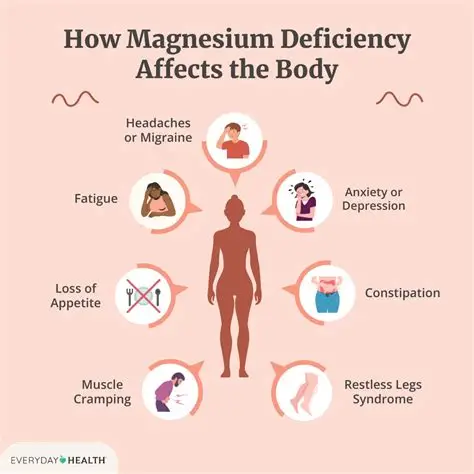
Low magnesium can affect both the body and mind. Many people don’t realize they’re low until symptoms start to show. These 7 signs and symptoms of magnesium deficiency are the most common:
- Muscle cramps or twitching — especially in the legs
- Fatigue — feeling tired even after good sleep
- Anxiety or restlessness — difficulty calming down
- Trouble sleeping — waking up often or feeling wired at night
- Headaches — including tension headaches
- Irregular heartbeat — mild fluttering or skipping
- Low appetite or nausea — especially during stressful periods
These symptoms happen because magnesium helps regulate nerve signals and muscle movement. When levels drop, the body becomes more sensitive to stress, which can increase anxiety.

For more natural anxiety‑relief habits, see Ways to Reduce Anxiety Naturally.
🌙 Why Is Magnesium Best Taken at Night?
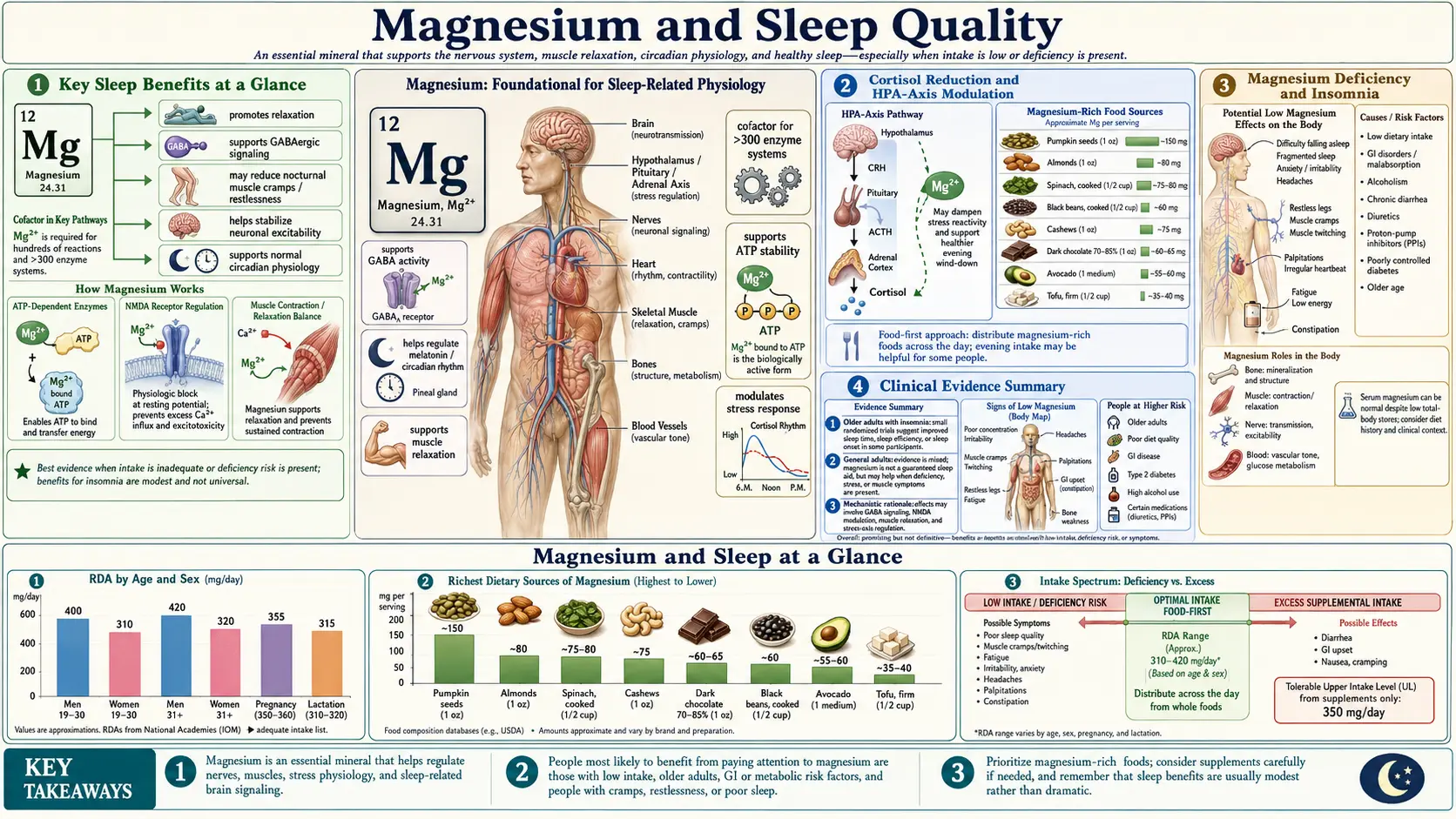
Many people ask why magnesium is best taken at night. The answer is simple: magnesium helps the body relax. It supports the part of the nervous system that calms you down after a long day.
Taking magnesium at night may help:
- Relax tight muscles
- Slow racing thoughts
- Improve sleep quality
- Reduce nighttime anxiety
This doesn’t mean magnesium must be taken at night, but many people find it more helpful before bed. It creates a gentle calming effect that supports deeper rest.
If sleep struggles are tied to anxiety, explore Deep Breathing for Anxiety Relief.
💛 How Anxiety and Low Magnesium Work Together
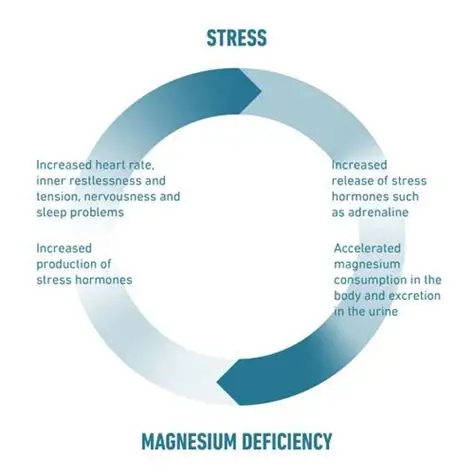
Anxiety can drain magnesium levels. Stress uses up magnesium quickly, which makes the body even more sensitive to stress. This creates a cycle:
Low magnesium → more anxiety → even lower magnesium
Breaking this cycle can help you feel calmer. Eating magnesium‑rich foods is a simple start. Try adding leafy greens, nuts, seeds, beans, and whole grains to your meals. These foods support steady mood and help the body relax naturally.
Short, simple habits can also help:
- Drink enough water
- Reduce caffeine late in the day
- Add gentle movement like walking or stretching
- Practice slow breathing before bed
These steps support magnesium balance and help calm the nervous system.
For deeper guidance on calming your nervous system, see Nervous System Regulation Techniques.
For joint‑friendly nutrition that supports inflammation and overall calm, explore the Foods That Help Inflamed Joints
If stress affects your body, these Best Exercises for Stiff Knees can help reduce tension and improve mobility.
For gentle foods that support nighttime recovery, see the Complete Anti‑Inflammatory Diet for Beginners
🌼 Conclusion
The link between anxiety and low magnesium is stronger than many people realize. Low magnesium can make the body tense and the mind restless. Understanding the 7 signs and symptoms of magnesium deficiency and learning why magnesium is best taken at night can help you make simple changes that support calm, steady energy.
Small steps can make a big difference. With the right habits, your body can feel more balanced, and your mind can feel more at ease.
For more guidance on anxiety, mood, and emotional balance, explore the Mental & Emotional Wellness Pillar.
Medical Disclaimer: This article is for informational purposes only and is not a substitute for professional medical advice. Always consult a qualified healthcare provider for personalized guidance.