Nervous System Regulation Techniques: How to Calm Your Body and Mind Naturally
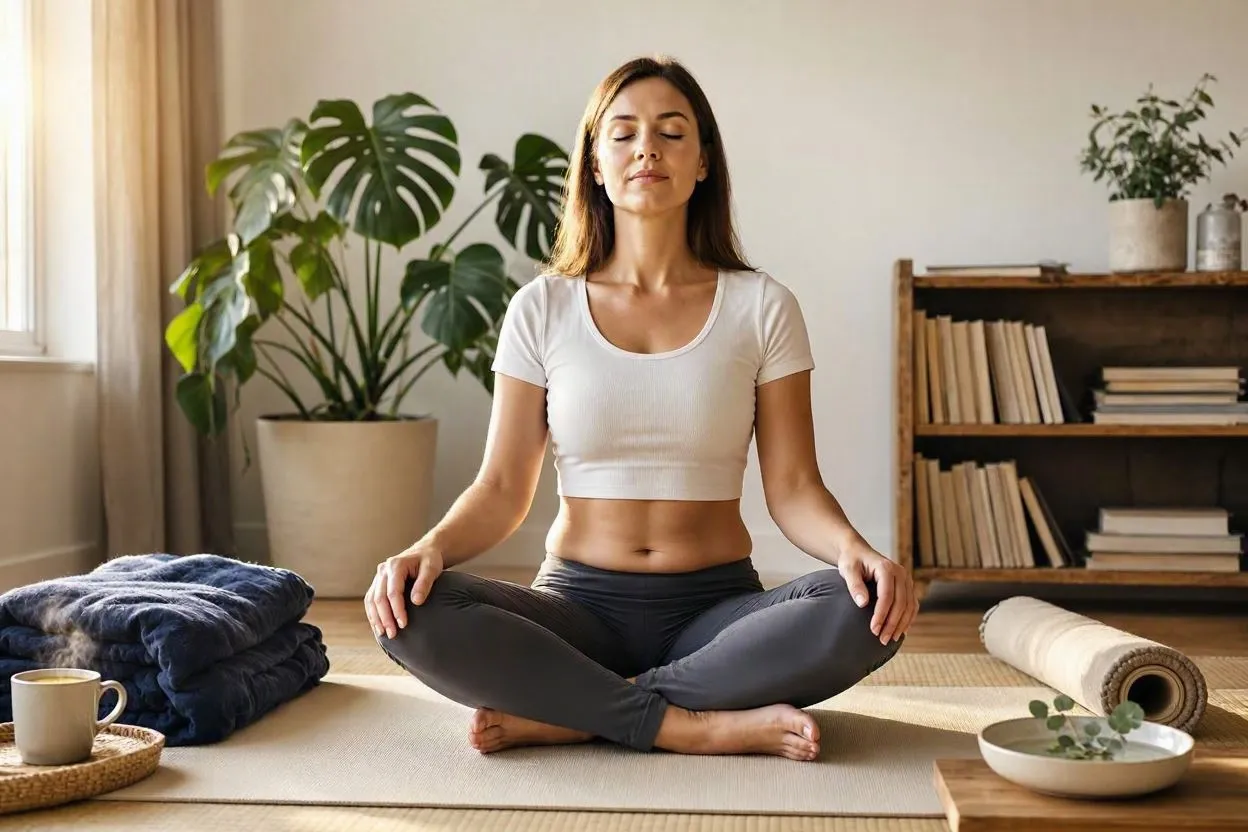
🌿 What Nervous System Regulation Really Means
Your nervous system has two main modes:
- Sympathetic (fight, flight, freeze)
- Parasympathetic (rest, digest, calm)
When stress builds up, your body can get stuck in the sympathetic mode. Regulation techniques help shift you back into parasympathetic calm — lowering heart rate, relaxing muscles, and quieting racing thoughts.
These techniques are simple, fast, and can be used anytime you feel overwhelmed.
If you’re working on improving your emotional balance, you may also find helpful guidance in the Mental & Emotional Wellness Pillar.
🧘 1. Deep Breathing (Vagus Nerve Activation)
Slow, controlled breathing is one of the fastest ways to regulate your nervous system. It directly stimulates the vagus nerve, which signals your body to relax.
Try this pattern:
- Inhale for 4 seconds
- Hold for 2 seconds
- Exhale for 6 seconds
Longer exhales tell your body it’s safe.
If you want a full guide, see Deep Breathing for Anxiety Relief.
🌬 2. The 5‑4‑3‑2‑1 Grounding Technique
This sensory exercise pulls your mind out of spiraling thoughts and back into the present moment.
- 5 things you can see
- 4 things you can touch
- 3 things you can hear
- 2 things you can smell
- 1 thing you can taste
It’s especially helpful during anxiety spikes or panic sensations.
🧠 3. Progressive Muscle Relaxation
Stress often hides in the body as tension. This technique helps release it:
- Tighten one muscle group for 5 seconds
- Release completely
- Move to the next area
Start with your shoulders, jaw, hands, and stomach — the most common tension zones.
🫀 4. Vagus Nerve Stimulation Techniques
These simple actions activate the vagus nerve and shift your body into calm mode:
- Humming or singing
- Gargling water
- Splashing cool water on your face
- Slow neck stretches
- Gentle chest‑opening stretches
These techniques are quick and surprisingly effective.
🧍 5. Somatic Shaking
This method helps release stored stress energy from the body.
Try:
- shaking your hands
- bouncing lightly on your feet
- gently shaking your arms and legs
Animals do this instinctively after stress — and it works for humans too.
🧩 6. Bilateral Stimulation (Brain Rebalancing)
This technique helps calm emotional intensity and reduce overwhelm.
Try:
- tapping left/right shoulders alternately
- walking while swinging arms naturally
- listening to audio that alternates left/right channels
It helps your brain process stress more smoothly.
🧘 7. Slow, Rhythmic Movement
Your nervous system responds well to repetitive, predictable motion.
Good options include:
- walking
- gentle yoga
- swaying side to side
- rocking in a chair
- stretching slowly
These movements help regulate breathing and heart rate.
🧠 8. Thought Reframing
Sometimes the nervous system becomes dysregulated because of spiraling thoughts. Reframing helps interrupt the cycle.
Try asking:
- “Is this thought true?”
- “Is this thought helpful?”
- “What’s a calmer version of this thought?”
For deeper guidance, see How to Stop Worrying About Things You Can’t Control.
🧂 9. Supportive Nutrients
Certain nutrients help stabilize the nervous system:
- Magnesium (calms muscles and nerves)
- Omega‑3s (support mood regulation)
- B vitamins (support stress response)
If you’re curious about magnesium’s role, see Anxiety and Low Magnesium.
🧘 10. Emotional Co‑Regulation
Humans regulate better together. Talking to someone calm, supportive, or grounded can help your nervous system settle.
This can be:
- a partner
- a friend
- a therapist
- a support group
If anxiety affects your relationships, see How to Deal With Someone With Anxiety in a Relationship.
For joint‑friendly nutrition that supports inflammation and overall calm, explore the Foods That Help Inflamed Joints
If stress affects your body, these Best Exercises for Stiff Knees can help reduce tension and improve mobility.
🌼 Final Thoughts
Nervous system regulation isn’t about eliminating stress — it’s about giving your body tools to return to calm more easily. With practice, these techniques help you feel more grounded, more resilient, and more in control of your emotional state.
For more guidance on anxiety, mood, and emotional balance, explore the Mental & Emotional Wellness Pillar.
Medical Disclaimer: This article is for informational purposes only and is not a substitute for professional medical advice.