Does Vitamin C Affect Blood Sugar?

Does Vitamin C Affect Blood Sugar?
Many people who track their health wonder: does vitamin C affect blood sugar? It’s a smart question, especially if you’re trying to manage energy levels, inflammation, or long‑term metabolic-health. Vitamin C plays many roles in the body, and some of them connect to how your body handles glucose.
If you’re exploring blood sugar balance, you may also find helpful guidance in the Physical Wellness Pillar.
🍊 Vitamin C Insulin Resistance: What It Means
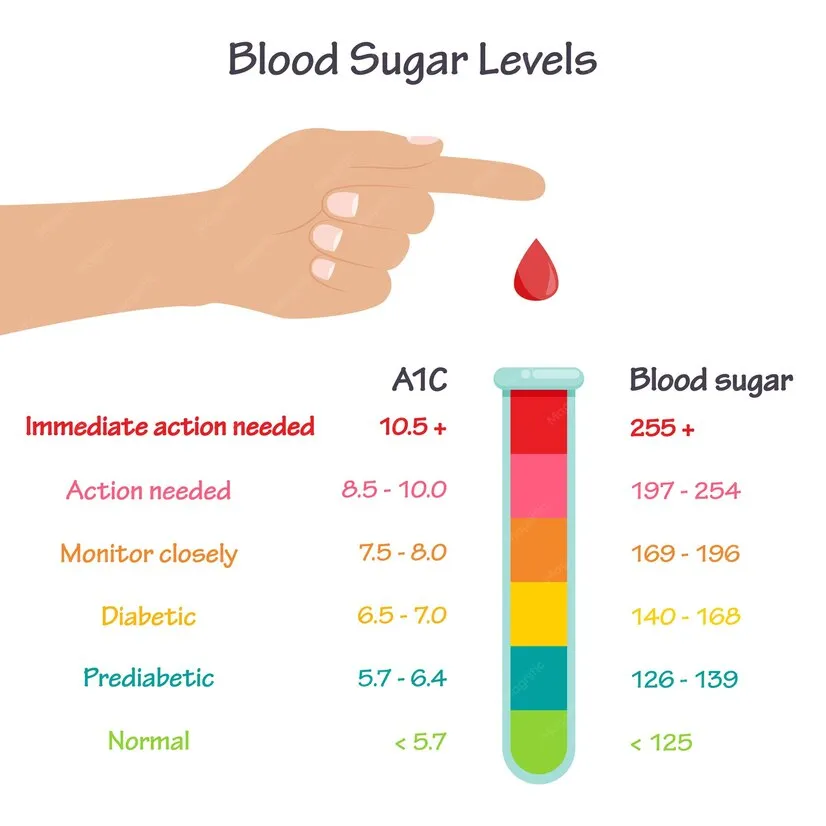
Researchers have looked closely at vitamin C insulin resistance because insulin resistance is a common issue. Insulin resistance happens when your cells stop responding well to insulin. When this occurs, sugar stays in the blood instead of moving into the cells for energy.
Vitamin C may help reduce oxidative stress — a type of internal “wear and tear” that can make insulin resistance worse.
Some studies suggest vitamin C may support better insulin sensitivity over time, meaning your body may use insulin more effectively.
These effects are gentle, not dramatic. Vitamin C is not a cure, but it may support healthier glucose balance.
For more insight into glucose fluctuations, see Blood Sugar Swings.
🩺 Vitamin C and Type 2 Diabetes: Helpful or Not?
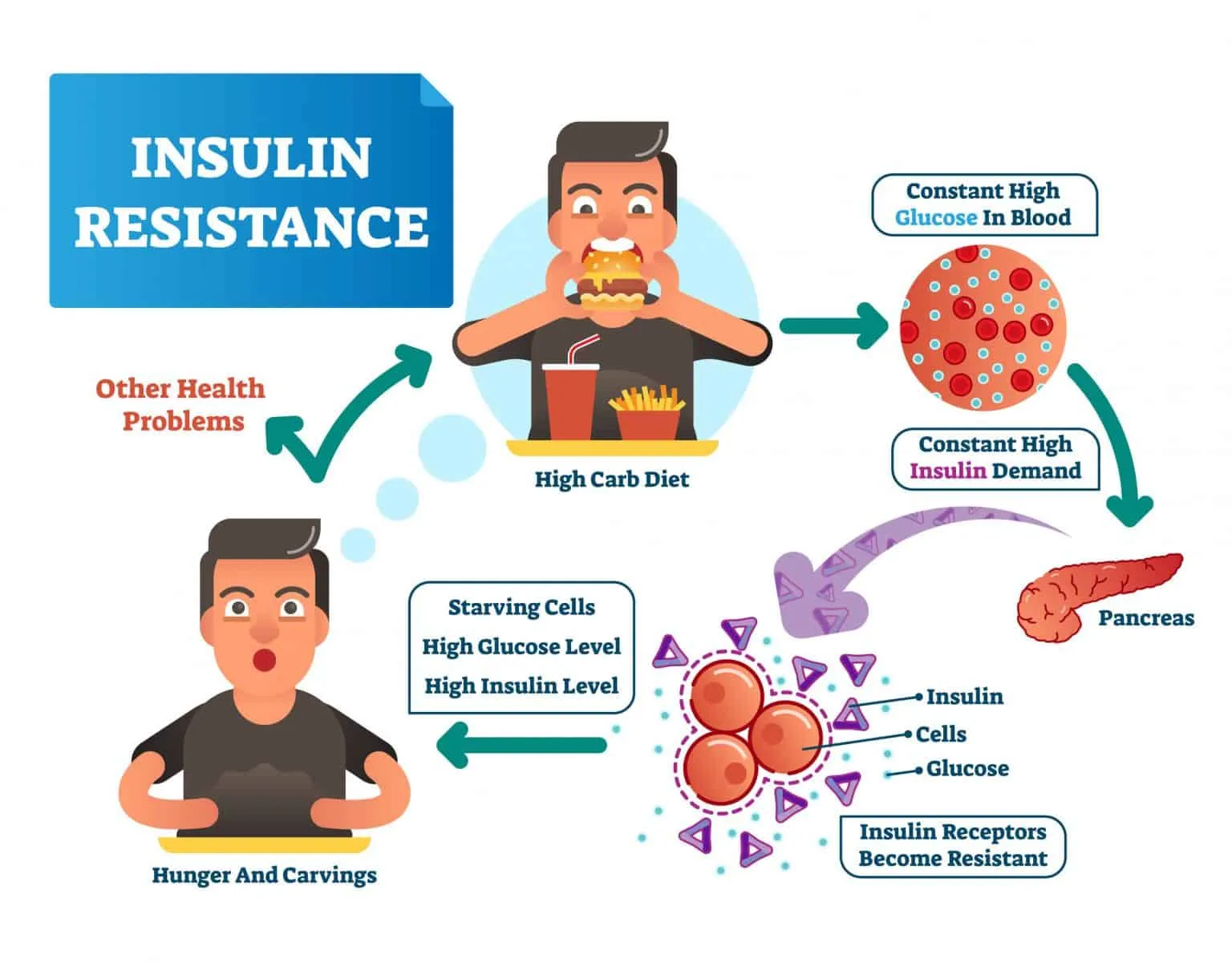
People often ask about vitamin C and type 2 diabetes because diabetes affects how the body manages blood sugar. Vitamin C may offer a few benefits for people living with type 2 diabetes:
- supports blood vessel health
- helps reduce inflammation
- may slightly improve fasting blood sugar in some cases
However, high doses of vitamin C can interfere with certain home glucose meters, causing readings to appear higher or lower than they really are. Always check your device manual or ask a healthcare professional if unsure.
If you’re exploring vitamins and their metabolic effects, see Vitamins That Raise Blood Sugar.
🌿 So, Does Vitamin C Affect Blood Sugar?

In simple terms, vitamin C does not raise blood sugar. Instead, it may help support healthier glucose levels by reducing oxidative stress and improving how your cells respond to insulin.
Vitamin C is easy to get from everyday foods:
- citrus fruits
- berries
- peppers
- leafy greens
These foods support overall health, which can make blood sugar easier to manage.
For breakfast ideas that support inflammation and glucose balance, see Anti‑Inflammatory Breakfast Ideas.
Emotional stress can also affect glucose balance. Learn more in [How to Stop Worrying About Things You Can’t Control] (/posts/how-to-stop-worrying-about-things-you-cant-control/)
🌼 Conclusion
So, does vitamin C affect blood sugar? Not in a harmful way. In fact, vitamin C may offer gentle support for insulin resistance and type 2 diabetes. Adding vitamin‑rich foods to your meals is a simple step toward better health.
For more guidance on inflammation, joint health, and metabolic balance, explore the Physical Wellness Pillar.
Medical Disclaimer: This article is for informational purposes only and is not a substitute for professional medical advice.