Does Vitamin C Affect Blood Sugar?
Does vitamin C affect blood sugar? Learn what research suggests about vitamin C, glucose levels, insulin sensitivity, and overall metabolic health.

Vitamin C is best known for supporting immune health, but many people wonder whether it also affects blood sugar levels. Research suggests that vitamin C may play a role in glucose metabolism and overall metabolic health, making it a topic of interest for those managing blood sugar. Understanding the connection can help you make more informed choices about nutrition, supplementation, and long-term wellness.
Read more about Blood Sugar Health/.
Does Vitamin C Affect Blood Sugar?
Many people who track their health wonder: does vitamin C affect blood sugar? It’s a smart question, especially if you’re trying to manage energy levels, inflammation, or long‑term metabolic-health. Vitamin C plays many roles in the body, and some of them connect to how your body handles glucose.
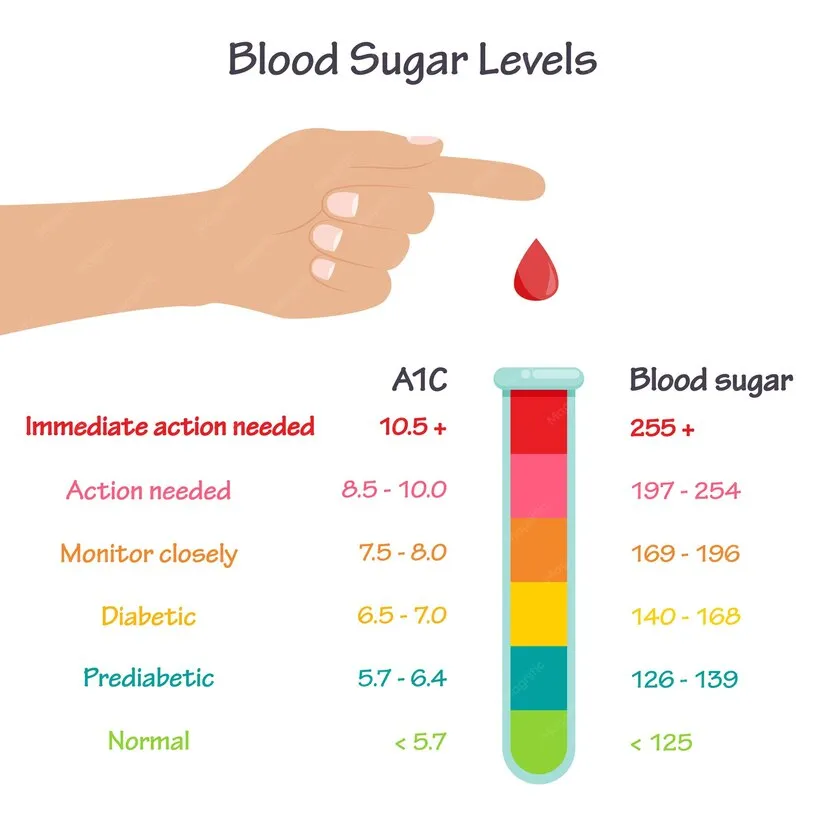
==> Learn more about hidden causes of blood sugar spikes.
🍊 Vitamin C Insulin Resistance: What It Means
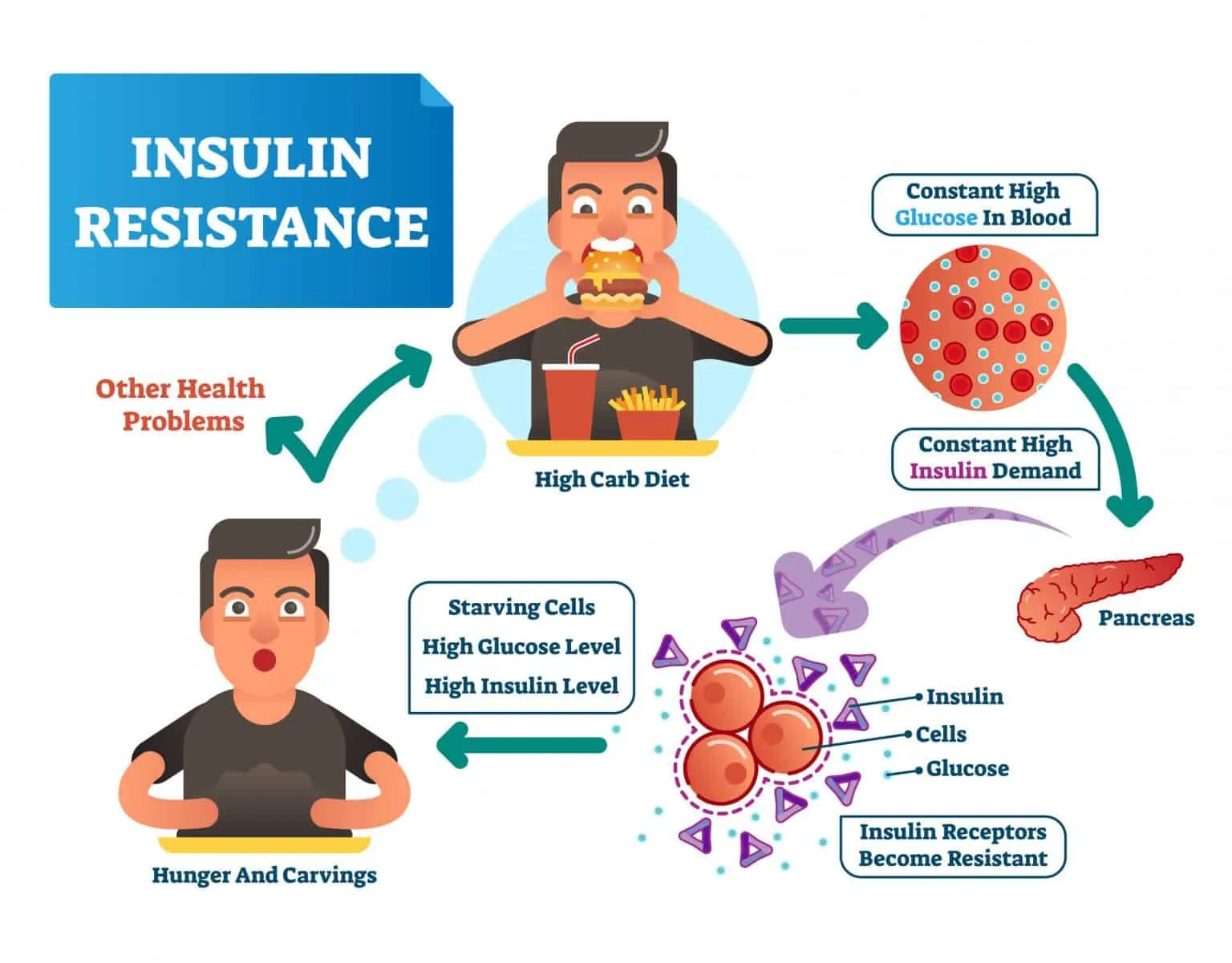
Researchers have looked closely at vitamin C insulin resistance because insulin resistance is a common issue. Insulin resistance happens when your cells stop responding well to insulin. When this occurs, sugar stays in the blood instead of moving into the cells for energy.
Vitamin C may help reduce oxidative stress — a type of internal “wear and tear” that can make insulin resistance worse.
Some studies suggest vitamin C may support better insulin sensitivity over time, meaning your body may use insulin more effectively.
These effects are gentle, not dramatic. Vitamin C is not a cure, but it may support healthier glucose balance.
🩺 Vitamin C and Type 2 Diabetes: Helpful or Not?
For more insight into glucose fluctuations, see Blood Sugar Swings.
People often ask about vitamin C and type 2 diabetes because diabetes affects how the body manages blood sugar. Vitamin C may offer a few benefits for people living with type 2 diabetes:
-
supports blood vessel health
-
helps reduce inflammation
-
may slightly improve fasting blood sugar in some cases .
However, high doses of vitamin C can interfere with certain home glucose meters, causing readings to appear higher or lower than they really are. Always check your device manual or ask a healthcare professional if unsure.
🌿 So, Does Vitamin C Affect Blood Sugar?

==> Explore How to lower blood sugar without insulin.
In simple terms, vitamin C does not raise blood sugar. Instead, it may help support healthier glucose levels by reducing oxidative stress and improving how your cells respond to insulin.
Vitamin C is easy to get from everyday foods:
-
citrus fruits
-
berries
-
peppers
-
leafy greens
These foods support overall health, which can make blood sugar easier to manage.
For breakfast ideas that support inflammation and glucose balance, see Vitamins That Raise Blood Sugar.
🌼 Conclusion
So, does vitamin C affect blood sugar? Not in a harmful way. In fact, vitamin C may offer gentle support for insulin resistance and type 2 diabetes. Adding vitamin‑rich foods to your meals is a simple step toward better health.
For more guidance on inflammation, joint health, and metabolic balance, explore the Physical Wellness Pillar.
Disclaimer: The content on this website is for informational and educational purposes only and should not be considered medical advice. Always consult a qualified healthcare professional regarding any health concerns or before making significant lifestyle, dietary, or exercise changes.