Hidden Causes of Blood Sugar Spikes
Hidden Causes of Blood Sugar Spikes You Might Be Overlooking
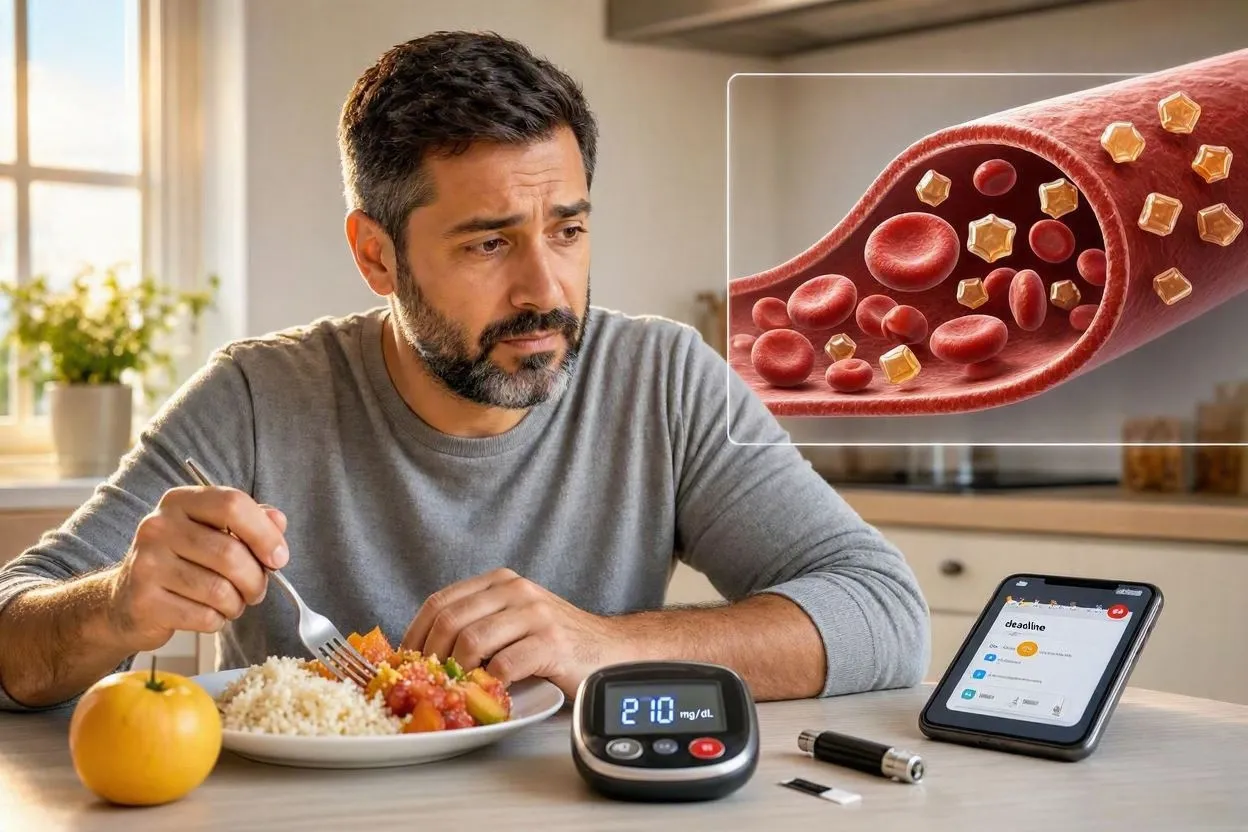
Many people think blood sugar spikes only come from sugary foods — but the truth is more complicated. Your glucose levels can rise sharply even when you’re eating “healthy” meals, following routines, or managing stress well. Understanding the hidden causes of blood sugar spikes can help you stabilize energy, reduce inflammation, and support long‑term metabolic-health.
If you’re exploring blood sugar balance, you may also find helpful guidance in the Physical Wellness Pillar.
🩸 What Counts as a Blood Sugar Spike?
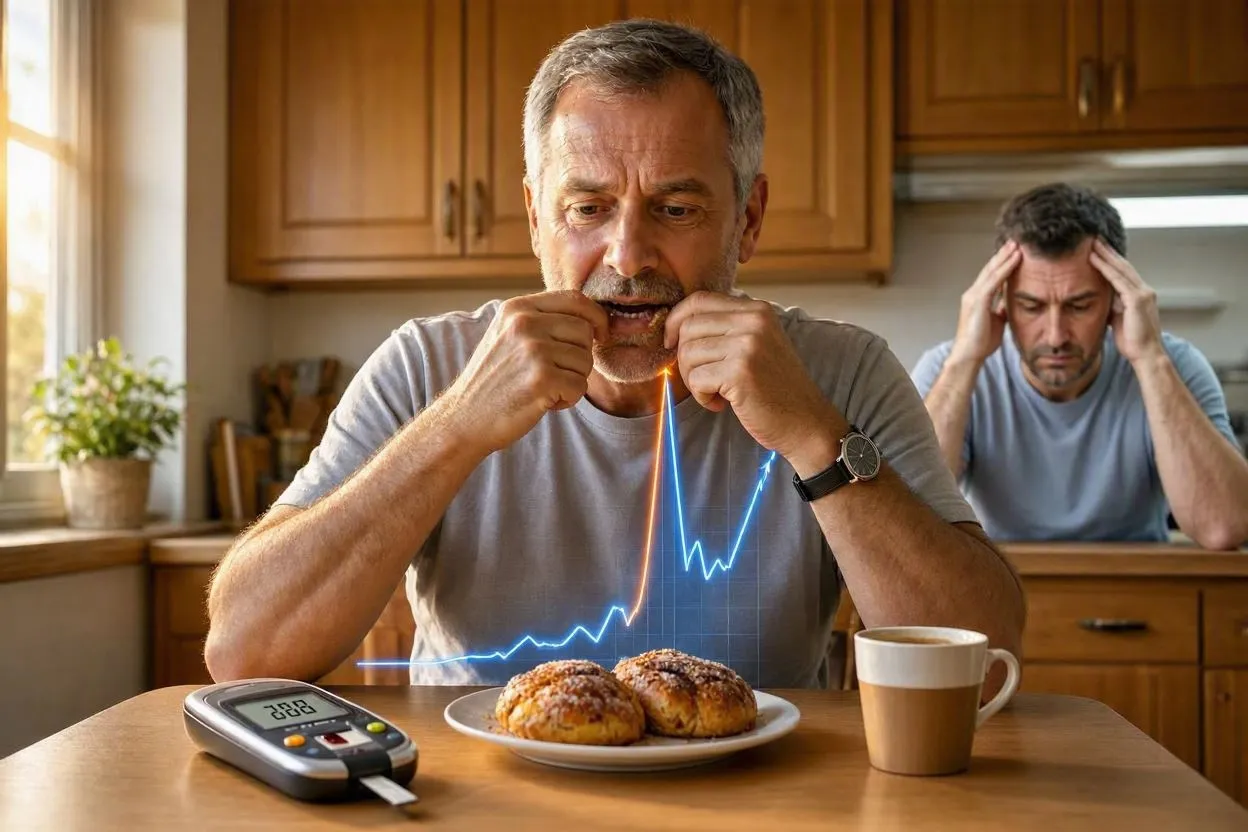
A blood sugar spike happens when glucose rises quickly after eating or during stress. You may feel:
- sudden fatigue
- irritability
- brain fog
- increased thirst
- shakiness
- cravings
Even if you don’t have diabetes, frequent spikes can increase inflammation and affect joint comfort, mood, and long‑term metabolic-health.
For more on glucose fluctuations, see Blood Sugar Swings.
🔥 1. Stress and Cortisol
Stress is one of the biggest hidden causes of blood sugar spikes.
When you’re stressed, your body releases cortisol — a hormone that tells your liver to release stored glucose. This can raise blood sugar even if you haven’t eaten anything.
Common triggers include:
- work pressure
- relationship stress
- poor sleep
- chronic worry
If stress affects your mood or anxiety, explore Nervous System Regulation Techniques.
😴 2. Poor Sleep Quality
Just one night of poor sleep can make your body more insulin‑resistant the next day. This means your cells don’t absorb glucose as efficiently, causing higher spikes after meals.
Signs sleep may be affecting your blood sugar:
- morning grogginess
- increased cravings
- irritability
- afternoon crashes
Improving sleep consistency can dramatically stabilize glucose.
🍽 3. “Healthy” Foods That Spike Blood Sugar
Some foods seem healthy but can still cause sharp glucose rises.
Examples:
- instant oatmeal packets
- fruit smoothies with banana + mango
- low‑fat flavored yogurt
- granola
- rice cakes
- store‑bought juices
Whole foods are usually safer, but portion size matters too.
See Anti‑Inflammatory Breakfast Ideas for breakfast choices that stabilize blood sugar.
🧃 4. Hidden Sugars in Packaged Foods
Many packaged foods contain added sugars under different names:
- maltodextrin
- dextrose
- cane syrup
- fruit concentrate
- agave
- barley malt
These can spike blood sugar faster than table sugar.
Check labels carefully — even “healthy” snacks can be misleading.
🧂 5. Low Magnesium Levels
Magnesium helps regulate insulin sensitivity. Low levels can make your body less efficient at managing glucose, leading to higher spikes.
Symptoms of low magnesium include:
- muscle tension
- anxiety
- fatigue
- headaches
If you’re curious about magnesium’s role, see Anxiety and Low Magnesium.
🧪 6. Eating Too Quickly
Fast eating causes glucose to rise more sharply because your body doesn’t have time to release digestive hormones that slow absorption.
Eating slowly helps:
- reduce spikes
- improve digestion
- increase fullness
- stabilize energy
Try pausing between bites or using smaller utensils.
🧘 7. Lack of Movement After Meals
Sitting immediately after eating can cause higher glucose-spikes. Even a short walk helps your muscles absorb glucose more efficiently.
Try:
- 10‑minute walk
- gentle stretching
- light chores
- slow pacing around your home
Movement is one of the simplest ways to reduce spikes naturally.
🥤 8. Coffee on an Empty Stomach
Coffee increases cortisol, which can raise blood sugar — especially when consumed before breakfast.
If you notice jitteriness or hunger after morning coffee, try drinking it after a protein‑rich meal.
🍽 9. Eating Carbs Without Protein or Fat
Carbs digest quickly, causing glucose to rise fast. Pairing them with protein or healthy fats slows digestion and reduces spikes.
Try combining:
- fruit + nuts
- oats + chia seeds
- toast + avocado
- rice + salmon
- potatoes + olive oil
Balanced meals = balanced blood sugar.
🧼 10. Inflammation
Inflammation makes your cells less responsive to insulin, causing higher spikes even with normal meals.
Common sources include:
- processed foods
- chronic stress
- poor sleep
- joint inflammation
- environmental toxins
If inflammation affects your joints, explore Foods That Help Inflamed Joints.
🌿 How to Reduce Hidden Blood Sugar Spikes
Here are simple, effective strategies:
✔ Add protein to every meal
Protein slows digestion and reduces glucose-spikes.
✔ Move for 5–10 minutes after eating
Even gentle movement helps.
✔ Improve sleep consistency
Aim for regular sleep/wake times.
✔ Reduce stress
Try grounding, breathing, or somatic tools from Nervous System Regulation Techniques.
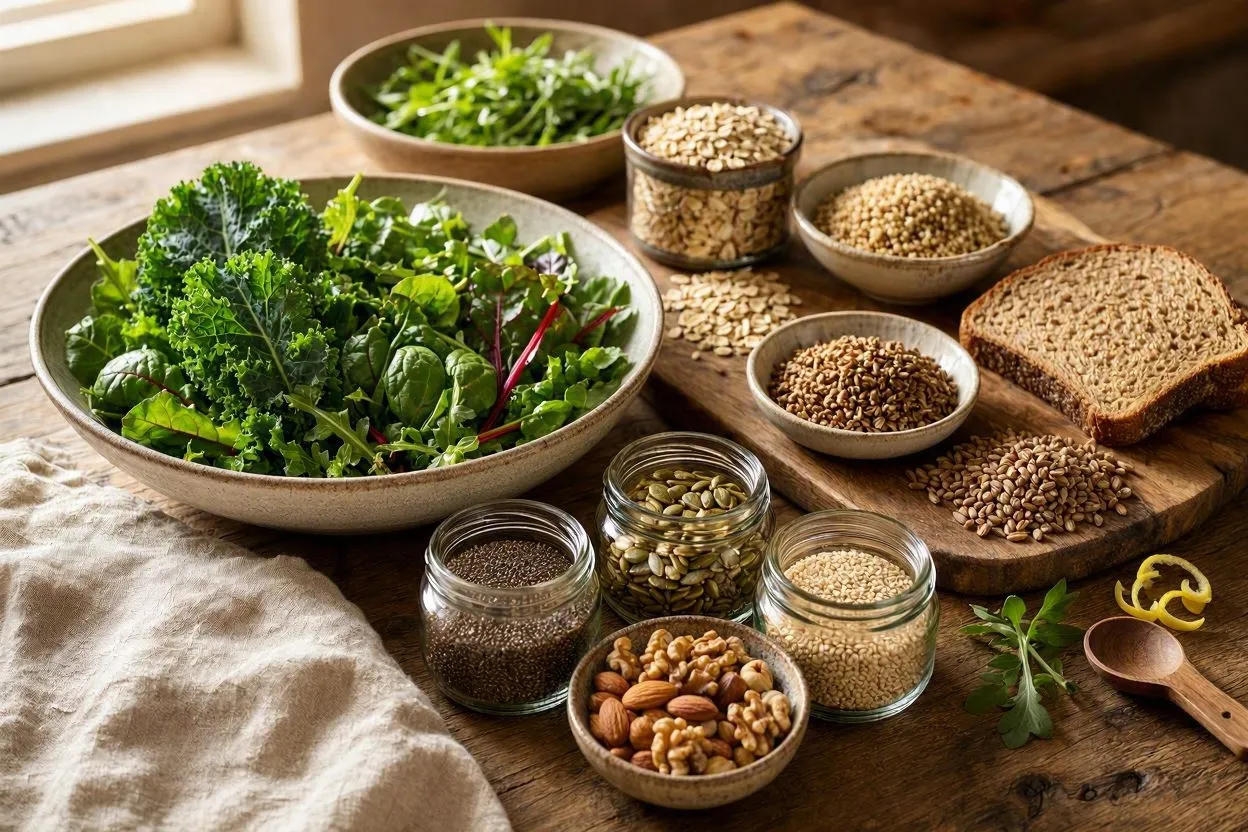
✔ Choose whole foods
Minimize packaged snacks and hidden sugars.
✔ Support magnesium levels
Leafy greens, nuts, seeds, and whole grains help.
🌼 Final Thoughts
Blood sugar spikes aren’t just about sugar — they’re influenced by stress, sleep, inflammation, nutrient levels, and daily habits. By understanding these hidden causes, you can stabilize energy, reduce inflammation, and support long‑term metabolic-health.
For more guidance on glucose balance and inflammation, explore the Physical Wellness Pillar.
How to Improve Joint Mobility Naturally.
More information on Foods That Help Cartilage Repair.
Learn more about low-glycemic breakfast foods.
Medical Disclaimer: This article is for informational purposes only and is not a substitute for professional medical advice.